
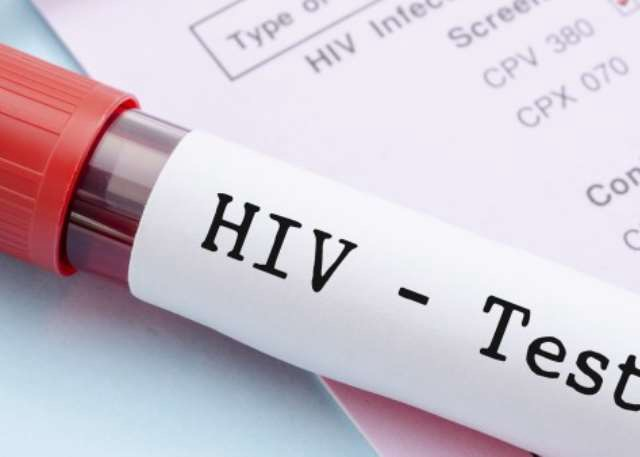
The Ghana HIV and AIDS Network (GHANET) has expressed concern over a looming shortage of HIV rapid diagnostic test kits in the country, warning that the situation could significantly disrupt HIV testing services, particularly for pregnant women.
Speaking on Eyewitness News, GHANET President, Ernest Amoabeng Ortsin, acknowledged Ghana’s remarkable progress in the fight against HIV/AIDS over the years. He noted that expanded access to antiretroviral therapy (ART), improved viral suppression rates, and sustained public health interventions have contributed to reducing HIV prevalence and improving treatment outcomes.
Despite these gains, Mr. Ortsin cautioned that emerging challenges threaten to reverse the country’s achievements. He identified funding constraints, declining public awareness campaigns, and shortages of HIV testing supplies as key concerns requiring urgent attention.
According to him, reduced investment in HIV education and prevention could weaken public awareness and increase the risk of new infections. He further stressed that inadequate access to HIV rapid diagnostic test kits may delay early diagnosis, particularly among pregnant women, increasing the risk of mother-to-child transmission.
GHANET is therefore urging the Government of Ghana, development partners, and other stakeholders to take immediate action by ensuring sustainable funding for HIV programmes, strengthening prevention and public education initiatives, guaranteeing the continuous availability of HIV rapid diagnostic test kits, and maintaining uninterrupted access to HIV testing and treatment services across the country.
The network emphasized that safeguarding these critical services is essential to protecting the progress Ghana has made in combating HIV/AIDS and achieving national and global targets to end the epidemic.
GHANET also called on all stakeholders to work collaboratively to ensure that no one is left behind in the country’s HIV response, reaffirming the importance of sustained investment, early testing, treatment, and efforts to eliminate stigma.
Reported by
Obed Yaw Agyei